

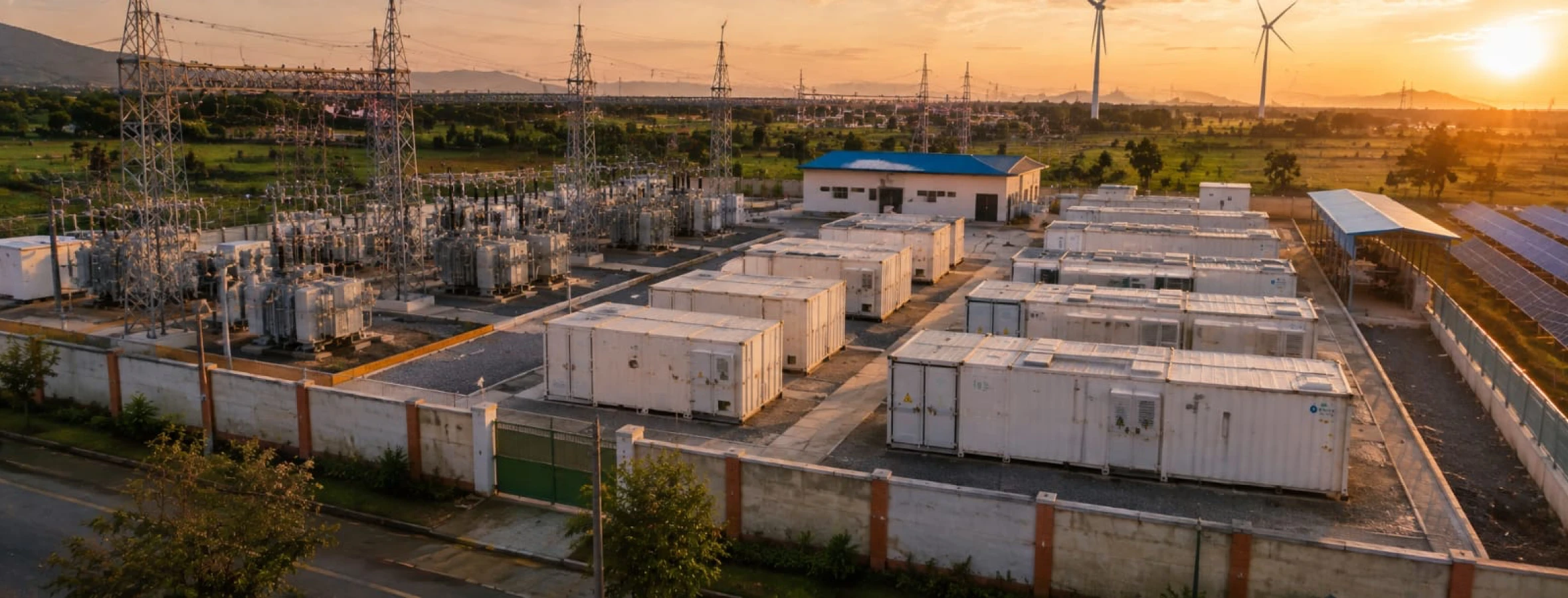
As renewable energy becomes a larger part of the electricity mix, energy storage and grid infrastructure are becoming essential to ensuring reliability, flexibility and round-the-clock clean power. The success of the energy transition depends not only on generating renewable energy, but also on delivering it efficiently when and where it is needed.
India's renewable energy capacity has grown from approximately 76 GW in 2014 to about 292 GW by July 2026, creating a growing need for advanced grid management and storage solutions. Recognising this requirement, the Government of India has prioritised investments in transmission infrastructure through initiatives such as the Green Energy Corridor Programme, which is strengthening connectivity between renewable energy hubs and demand centres while enabling greater renewable energy integration.
Alongside transmission expansion, India is rapidly advancing battery energy storage systems, pumped storage projects and emerging storage technologies that can help balance renewable generation, improve grid stability and support energy security. These technologies will be critical as India progresses towards its long-term renewable energy and non-fossil fuel capacity targets.
Digital technologies, smart grids and advanced forecasting systems are further enhancing the ability of utilities and grid operators to manage increasingly complex energy systems powered by renewable energy.
At BRE Summit 2026, utilities, grid operators, regulators, investors and technology leaders will discuss storage technologies, transmission infrastructure, market mechanisms and policy frameworks that can support the next phase of renewable energy growth.